
Key takeaway
Root canal treatment is a dental procedure used to save a tooth when the soft tissue inside it, called the pulp, is badly inflamed or infected. The pulp contains nerves and blood v...
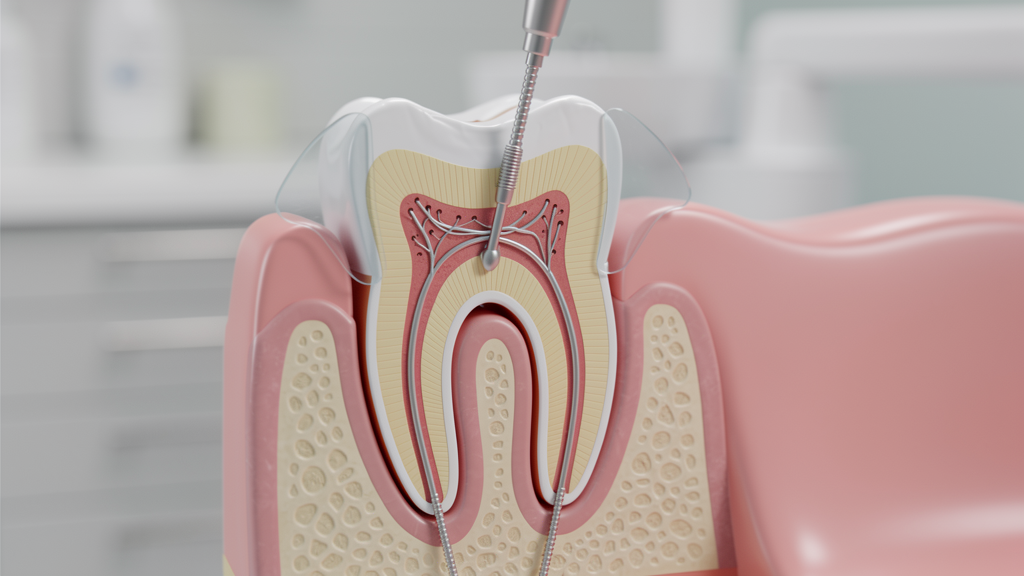
Root canal treatment is a dental procedure used to save a tooth when the soft tissue inside it, called the pulp, is badly inflamed or infected. The pulp contains nerves and blood vessels. It can be affected by deep tooth decay, a crack, a broken filling, repeated dental work, or an injury to the tooth.
During treatment, a dentist removes the damaged pulp, cleans the narrow channels inside the roots, disinfects them, and seals them. The tooth is then restored, often with a filling and, in many cases, a crown. A crown is a protective cap that covers the tooth.
The purpose is to keep the natural tooth functioning and to control infection, rather than remove the tooth. Root canal treatment is usually done by a general dentist or an endodontist, a dentist with additional training in treating the inside of teeth. Good daily oral care and regular dental check-ups can reduce the chance of decay progressing to the pulp.
A dentist may discuss root canal treatment when examination and dental X-rays suggest that the pulp cannot recover. Possible signs include a persistent toothache, pain on biting, sensitivity to hot or cold that continues after the trigger is gone, a darkened tooth, swelling or a small pimple-like bump on the gum, or a tooth that is painful to touch. However, some teeth needing treatment cause little or no pain and are found during a routine check-up.
The procedure may be suitable when enough healthy tooth structure and supporting bone remain to restore the tooth. It may also be considered after a tooth injury that has damaged the pulp, even if the outer tooth looks mostly intact.
Not every painful tooth needs a root canal, and not every tooth can be saved. Gum disease, cracks extending deep into the root, severe loss of tooth structure, or poor support from surrounding bone can change the options. A dental assessment is needed to identify the cause and discuss whether restoration, extraction, or another approach is appropriate.
Before treatment, the dentist will ask about your symptoms, dental history, medicines, allergies, and medical conditions. Tell the dental team about conditions that affect bleeding, immunity, heart health, diabetes management, pregnancy, or previous reactions to local anaesthetic. Do not stop prescribed medicines unless the clinician managing them advises you to do so.
The dentist examines the tooth and nearby gums. Dental X-rays help show the roots, surrounding bone, and possible infection. Tests involving cold, pressure, or gentle tapping may help identify the affected tooth. These steps are important because pain can sometimes be felt in a nearby tooth or jaw area.
Eat a normal light meal beforehand unless the dental team gives different instructions, especially if sedation is planned. Arrange transport if you are receiving medicine that may make you drowsy. Ask how many visits may be needed, whether a crown is likely, and what to do if a temporary filling comes loose. Good preparation includes sharing concerns about dental anxiety so comfort measures can be discussed.
Root canal treatment is commonly carried out with local anaesthetic, which numbs the tooth and surrounding area while you remain awake. Most people should feel pressure or vibration rather than sharp pain. A small protective sheet, called a rubber dam, is often placed around the tooth. It keeps the area dry and helps prevent saliva or small materials from entering the mouth.
The dentist makes a small opening through the top of the tooth to reach the pulp. Very fine instruments are used to remove damaged tissue and shape the root canals. The canals are rinsed with cleansing solutions and measured carefully, sometimes using X-rays or an electronic measuring device. If infection or inflammation is extensive, the dentist may place a temporary medication and complete treatment at another visit.
Once the canals are clean and dry, they are filled with a rubber-like sealing material and closed with a filling. A tooth that has lost substantial structure, particularly a back tooth, may need a crown after root canal treatment to reduce the chance of fracture. The number of visits depends on the tooth, its roots, the level of infection, and treatment complexity.
The main benefit of root canal treatment is that it can retain a natural tooth that might otherwise need removal. Keeping a natural tooth may help maintain normal chewing, speech, and the position of neighbouring teeth. Treatment also removes diseased pulp and helps control infection within the tooth. With a sound final restoration and regular oral care, many treated teeth function for years.
However, treatment does not make the tooth immune to future problems. A treated tooth can still develop new decay, gum disease, a crack, or leakage around an old filling or crown. Because the pulp has been removed, the tooth no longer senses hot or cold in the usual way, but it can still feel pressure and can still become painful if tissues around the root are inflamed.
Success cannot be guaranteed. Complex root shapes, hidden canals, deep cracks, delayed restoration, or severe infection can affect the outcome. In some situations, further root canal treatment, root-end surgery, or removal of the tooth may later be necessary. The dentist can explain the expected outlook for the individual tooth.
Mild tenderness when biting and soreness in the jaw or gum are common for a few days after treatment, especially if there was infection beforehand. Local anaesthetic can leave the lip, cheek, or tongue numb for several hours. Avoid chewing until normal feeling returns to prevent accidental biting.
Less common problems include a temporary flare-up of pain or swelling, a loose temporary filling, or damage to a weak tooth before it is fully restored. Root canals can be narrow, curved, or partly blocked. In difficult cases, an instrument may separate inside a canal, or a canal may be hard to locate or clean completely. Dentists use careful techniques and imaging to reduce these risks, but they cannot be removed entirely.
A crack not visible at the start may limit the ability to save the tooth. Rarely, infection may persist or return despite appropriate treatment. Contact the dental clinic promptly if symptoms worsen rather than improve. Antibiotics are not routinely needed for every root canal; they are used only when the dentist judges that there is a specific reason, such as spreading infection or certain health considerations.
After the appointment, wait until numbness has worn off before eating. For the first day or two, choose softer foods and avoid biting hard foods, nuts, ice, or sticky sweets on the treated tooth. If a temporary filling has been placed, take particular care not to chew heavily on that side until the permanent restoration is completed.
Keep brushing twice daily with fluoride toothpaste and clean between teeth gently. Continue normal oral hygiene unless the dentist gives specific instructions. If discomfort occurs, follow the dental team's advice about suitable pain relief and use medicines only as directed. Do not place aspirin or other substances directly on the gum or tooth, as this can injure oral tissues.
A temporary filling can sometimes feel slightly different from the original tooth. Contact the clinic if it breaks, falls out, or if your bite feels uneven. A treated tooth may be more likely to fracture when it has a large filling or weakened walls, so completing the recommended permanent filling or crown without unnecessary delay is an important part of aftercare.
A follow-up visit allows the dentist to check healing, the bite, and the final restoration. The timing varies. Some teeth are restored immediately, while others need a review before the final filling or crown is placed. The dentist may take an X-ray at a later visit to assess healing of the bone around the root tip, especially when there was infection.
Attend planned appointments even if the tooth feels better. Pain may settle before the tooth is fully protected. Tell the dentist if the tooth feels high when you bite, because an uneven bite can keep the area sore.
Long-term care is similar to care for other teeth: brush twice daily using fluoride toothpaste, clean between teeth, limit frequent sugary foods and drinks, and have regular dental examinations. Seek early dental advice for new sensitivity, a damaged filling, a cracked tooth, or bleeding gums. Early care for decay and gum disease may help prevent future pulp damage and reduce the need for complex treatment.
Contact the dental clinic promptly if you have severe or increasing pain, swelling of the gum, face, or jaw, fever, a bad taste with discharge, or pain that does not begin to settle after the expected recovery period. Also contact the clinic if a temporary filling or crown comes off, the tooth cracks, or you cannot bite normally.
Swelling that spreads quickly, difficulty swallowing, difficulty breathing, trouble opening the mouth, confusion, or marked illness needs urgent medical assessment. These symptoms can indicate a spreading infection and should not be managed by waiting for a routine dental appointment.
Before treatment, arrange a dental visit for toothache lasting more than a day or two, lingering heat or cold sensitivity, a loose or broken filling, swelling, or a change in tooth colour. Do not rely on antibiotics, home remedies, or pain medicines alone to treat a dental infection. They may reduce symptoms temporarily but do not remove the source inside a damaged tooth. A dentist needs to assess the cause.
The hard outer layers of a tooth protect the pulp in its centre. When decay, a crack, or injury reaches the pulp, bacteria can enter and cause inflammation or infection. Pressure may build within the closed space of the tooth, producing pain. Infection can also extend through the root tip into the surrounding jawbone and gum.
Root canal treatment works by removing the infected or irreversibly inflamed pulp and reducing bacteria from the root canal system. Cleaning and shaping allow the canals to be sealed so that bacteria are less able to re-enter. The filling or crown placed above the canals provides an additional protective seal and helps the tooth withstand chewing forces.
The tissues around the root can heal after the source inside the tooth is controlled, although healing may take time and is monitored when needed. Root canal treatment treats the inside of a particular tooth; it does not treat unrelated gum disease or protect other teeth from decay. Regular preventive dental care remains important.
More from Dr. Aditya Ram Nalluri

Straight Teeth and Oral Health: A Guide to Tooth Alignment
20 Jul 2026