Key takeaway
Acne is common and is not caused simply by poor hygiene. Learn about lesion types, gentle skin care, treatment approaches, scarring concerns, and when a dermatologist should assess...
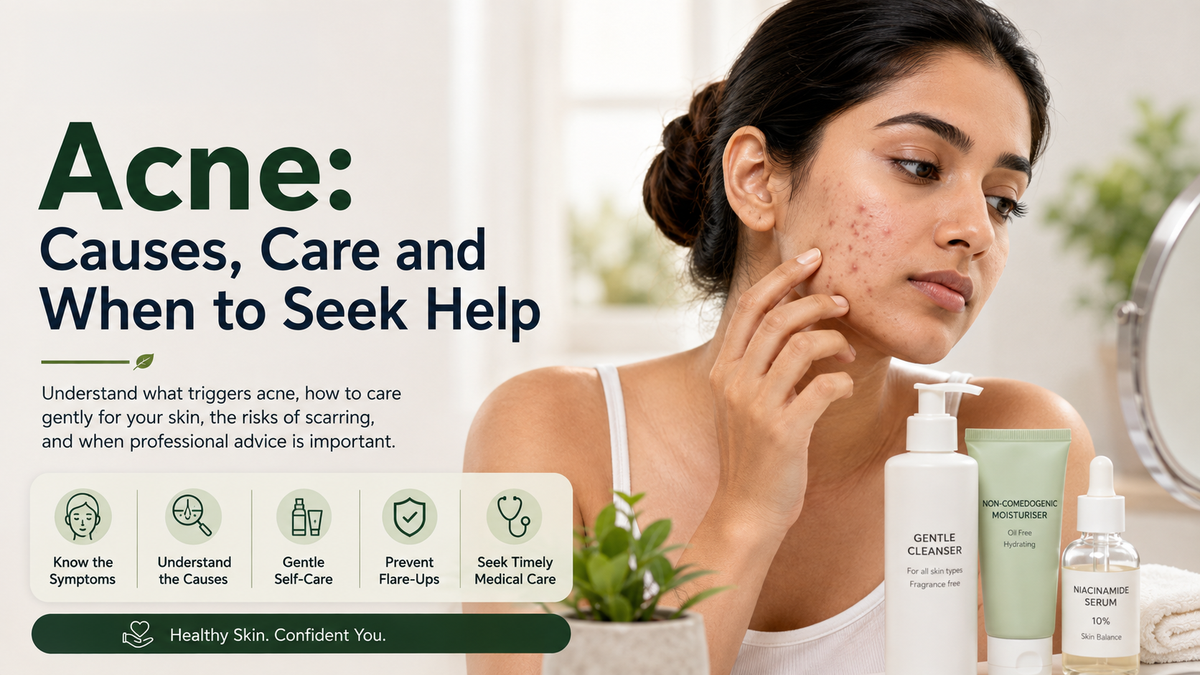
Acne is an inflammatory skin condition that develops around hair follicles and oil-producing glands. It can affect teenagers and adults and may appear on the face, chest, shoulders or back. Acne is not caused by poor hygiene, and having it does not mean a person has failed to care for their skin.
Breakouts may include blocked pores, red bumps, pus-filled spots or deeper painful lumps. Severity varies, and different types can occur together. Hormonal changes, inherited tendency, certain products, medicines and friction may influence acne, while diet is not the sole cause.
Gentle skin care and appropriate treatment can reduce active breakouts and the risk of lasting marks or scars. Improvement takes time, so squeezing, harsh scrubbing and frequently changing products may make matters worse. This article explains common types, care basics and situations in which professional assessment is advisable.
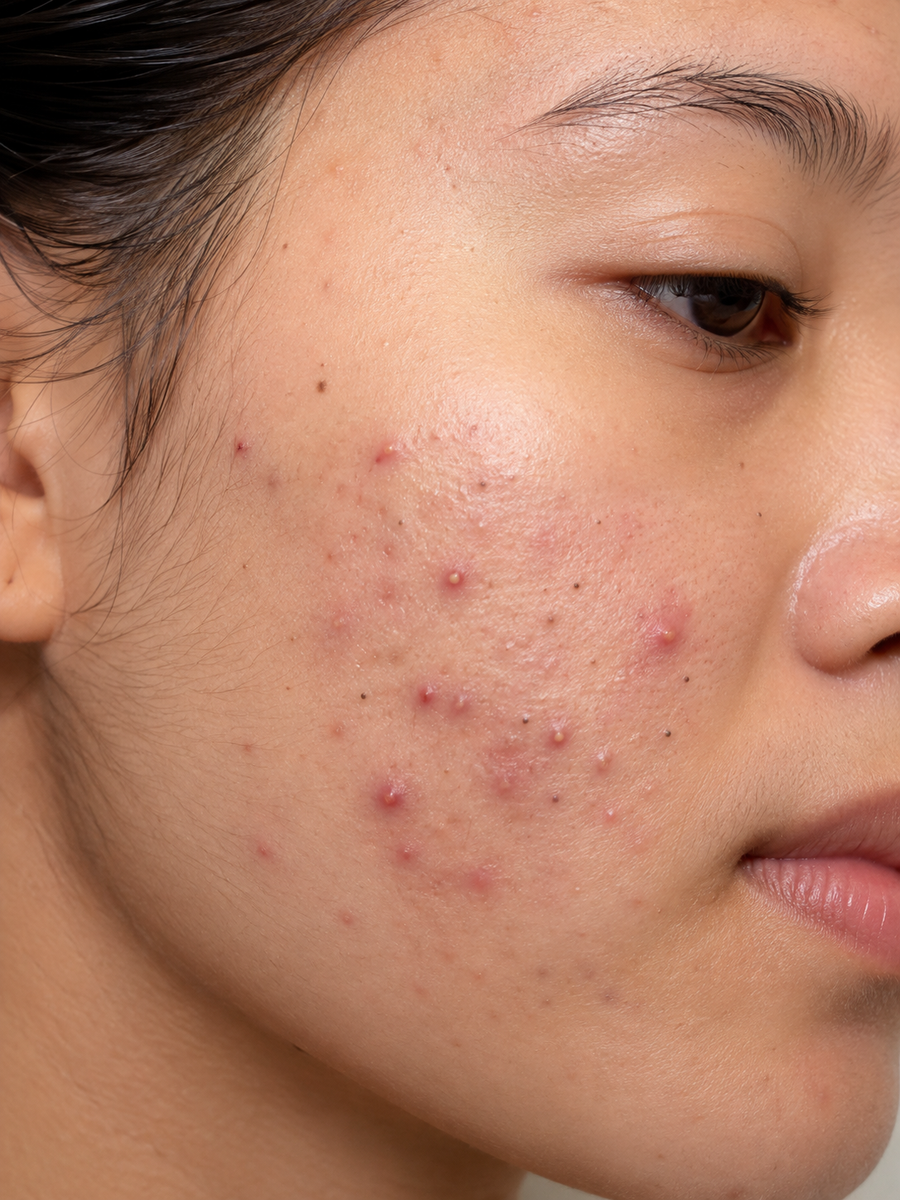
Acne commonly appears as comedones, which are blocked hair follicles. A closed comedone looks like a small white or skin-coloured bump and is often called a whitehead. An open comedone appears dark at the surface and is called a blackhead; the colour comes from exposure to air, not dirt.
Inflammatory acne includes papules, which are small red or tender bumps, and pustules, which contain visible pus. Larger, deeper and more painful lesions are called nodules or cyst-like lesions. These have a greater risk of scarring and should not be squeezed.
Breakouts often occur on oily areas such as the forehead, cheeks, jawline, chest and upper back. Some people also notice tenderness, redness, swelling, dark marks after spots heal, or shallow and raised scars. On darker skin tones, inflammation may leave brown, grey or bluish marks that remain after the active spot settles. Acne may fluctuate with menstrual cycles, stress, sweating, friction or changes in skin-care products.
Acne develops through several interacting processes. Oil glands may produce more sebum, an oily substance that protects the skin. Dead skin cells can build up and block follicles. Cutibacterium acnes, a bacterium normally present on skin, may contribute to inflammation inside blocked follicles. Hormones, especially during puberty and around menstrual changes, can increase oil production.
Family history can increase susceptibility. Some people notice worsening with heavy or oily cosmetics, hair products, tight helmets, masks, collars or repeated rubbing. Hot, humid conditions and sweating may contribute, especially when sweat remains trapped against the skin. Certain medicines, including some corticosteroids, lithium and hormone-related treatments, can trigger acne-like eruptions.
Acne is not caused by dirty skin. Excessive washing, scrubbing or strong antiseptics can damage the skin barrier and increase irritation. Evidence about food is mixed. High-glycaemic eating patterns or dairy may affect some individuals, but no single food causes acne in everyone. Restrictive diets should not replace balanced nutrition or medical care. Stress does not directly create blocked pores, but it may worsen existing breakouts or make coping more difficult.
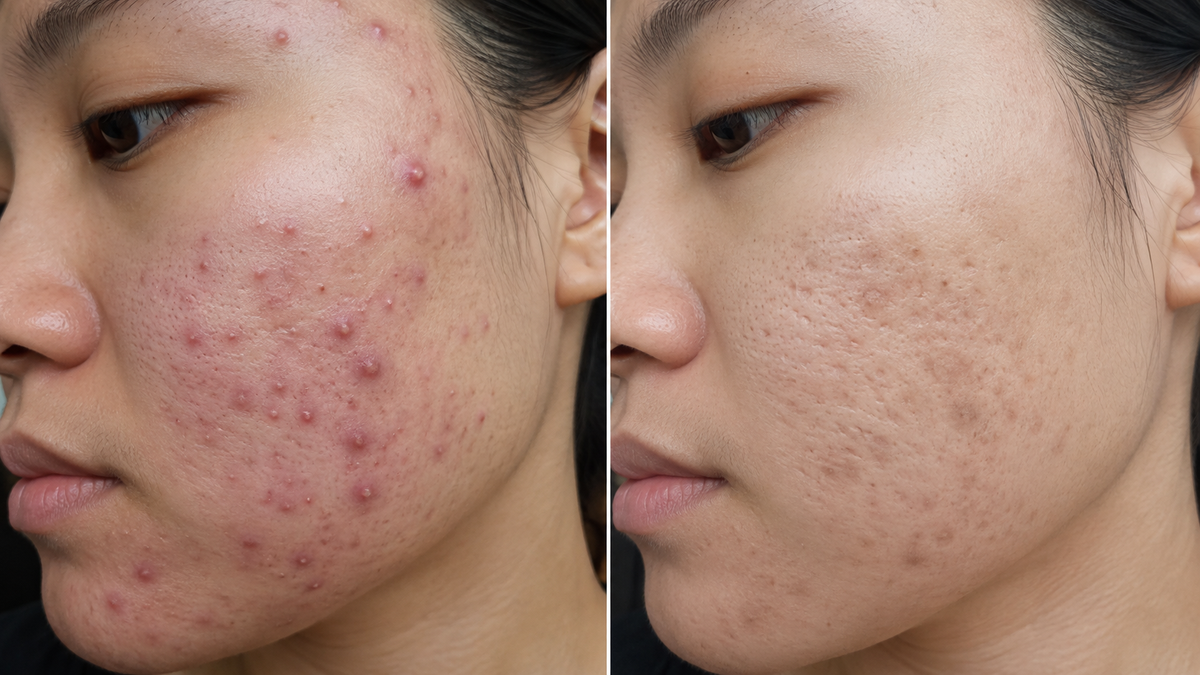
Acne can leave post-inflammatory marks after a spot heals. These may be red, brown, grey or bluish depending on skin tone. Such flat marks are not the same as permanent scars, although they can take months to fade.
Deep inflammation, nodules, cyst-like lesions and repeated picking can damage skin tissue and cause depressed, raised or thickened scars. Earlier control of significant inflammatory acne may reduce this risk. Acne can also affect confidence, social participation, mood and quality of life. Emotional effects are real even when the visible acne appears mild to others. Persistent pain, scarring or distress deserves attention rather than dismissal. Professional care can address both active breakouts and, once acne is controlled, options for remaining marks or scars.
Seek prompt medical advice for rapidly worsening acne, widespread painful nodules, cyst-like lesions, drainage, marked swelling or early scarring. Acne accompanied by fever, joint pain or feeling seriously unwell needs urgent assessment because it may represent an uncommon severe inflammatory reaction or another condition.
Sudden acne-like eruptions after starting a medicine, supplement, hormone product or bodybuilding preparation should be reviewed. In women, new severe adult acne together with irregular periods, increased facial hair or scalp hair thinning may require assessment for a hormonal condition.
Urgent mental-health support is important if acne is linked with severe distress, withdrawal, hopelessness or thoughts of self-harm. Do not wait for skin symptoms to become severe before discussing their emotional effect with a healthcare professional.
A doctor or dermatologist usually diagnoses acne by examining the skin and asking about the timing, location and types of lesions. They may assess whether acne is mainly comedonal, inflammatory, nodular or mixed, and whether it is mild, moderate or severe. The presence of pain, dark marks, scarring and emotional distress also influences management.
The clinician may ask about menstrual patterns, pregnancy possibility, medicines, supplements, cosmetics, hair products and previous treatments. Most people do not need blood tests or scans. Testing may be considered when symptoms suggest a hormonal disorder or when the appearance is unusual.
Other conditions can resemble acne, including rosacea, folliculitis, perioral dermatitis and medicine-related eruptions. Professional assessment helps avoid using irritating or unsuitable treatments for the wrong condition.
Treatment depends on the types of lesions, severity, skin sensitivity, scarring risk, age, pregnancy considerations and previous response. Mild acne may be managed with non-prescription or prescribed topical products. Topical means applied directly to the skin. Common evidence-based options include benzoyl peroxide, topical retinoids, azelaic acid and salicylic acid. These work in different ways, such as reducing blocked pores, bacteria or inflammation, and may initially cause dryness or irritation.
Moderate or widespread inflammatory acne may need combination treatment. Clinicians sometimes use topical antibiotics only alongside other acne medicines to reduce antibiotic resistance. Oral antibiotics may be considered for a limited period when inflammation is more extensive, usually with a suitable topical treatment rather than alone.
For some women, hormonal treatments may be appropriate after assessment of medical history and pregnancy-related risks. Severe, scarring or treatment-resistant acne may require specialist-supervised isotretinoin. This medicine needs careful monitoring and strict pregnancy-prevention measures because it can cause serious harm during pregnancy.
Treatment often takes several weeks before clear improvement is visible. A clinician may review progress after a planned period and adjust the approach rather than changing products every few days. Procedures such as steroid injection into a large painful lesion, light-based treatment, chemical peeling or scar procedures may be considered in selected cases. These should be performed or supervised by appropriately qualified professionals.
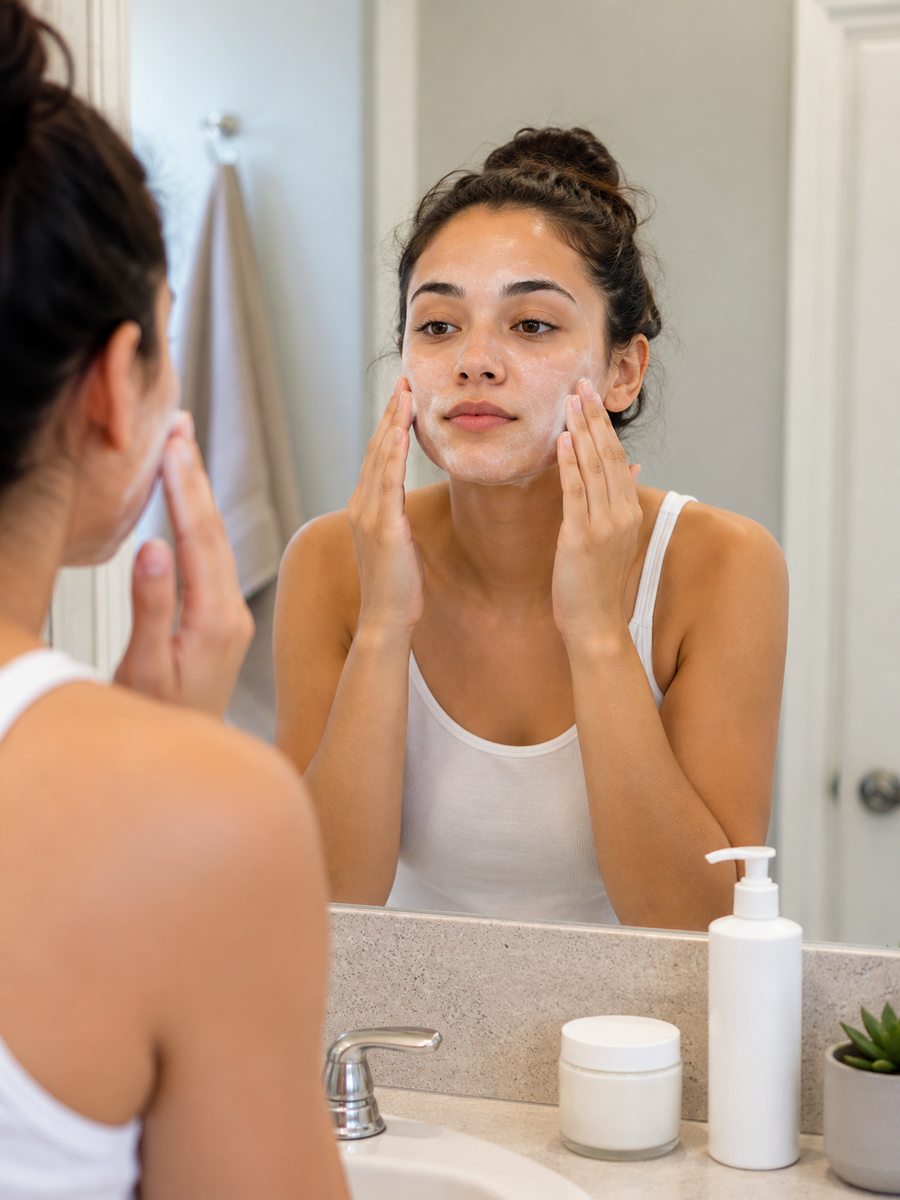
Wash acne-prone skin gently up to twice daily and after heavy sweating. Use lukewarm water, fingertips and a mild, fragrance-free cleanser. Scrubs, rough cloths, harsh soaps, astringents and repeated exfoliation can increase irritation without removing the blockage inside a follicle.
Choose moisturiser, sunscreen, make-up and hair products labelled non-comedogenic, meaning they are less likely to block pores. Remove make-up before sleep and clean items that regularly touch the face, such as spectacles, phone screens and helmet padding. Keep oily hair products away from the forehead.
Avoid picking, squeezing or using needles on spots. This increases inflammation, infection risk, dark marks and scarring. Introduce new skin-care products gradually and use them consistently as directed by a pharmacist or clinician. Applying several strong products at once may damage the skin barrier.
Use broad-spectrum sunscreen because sunlight can darken post-inflammatory marks, and some acne treatments increase sun sensitivity. During pregnancy or breastfeeding, ask a clinician before using acne medicines, including non-prescription products. Supportive sleep, physical activity and stress management may help overall wellbeing, although they are not replacements for treatment.
Acne cannot always be completely prevented because hormones and inherited tendency are important. However, practical habits may reduce avoidable flare-ups. Keep the routine simple: gentle cleansing, a suitable moisturiser and non-comedogenic sunscreen. Continue an effective maintenance plan when advised, since stopping treatment as soon as skin improves may allow blocked pores to return.
Shower after heavy sweating and change out of tight, damp clothing. Reduce repeated pressure and friction from straps, helmets or masks where possible, and clean reusable items regularly. Avoid oily pomades or cosmetics that spread onto acne-prone skin.
Do not start restrictive diets based on blame or internet claims. Notice personal patterns, but aim for balanced meals. Seek advice early when deep painful lesions or scars begin, because timely treatment is more useful than trying to repair preventable scarring later.
Speak with a pharmacist or doctor if gentle care and an appropriate non-prescription approach have not helped, or if irritation makes products difficult to use. Arrange a medical appointment for moderate or severe acne, painful nodules or cyst-like lesions, acne on the chest or back, persistent dark marks, or signs of scarring.
See a dermatologist when acne is worsening, repeatedly returning, resistant to treatment, or difficult to distinguish from another rash. Earlier assessment is sensible when acne begins suddenly in adulthood, follows a new medicine, or occurs with hormonal symptoms.
Professional help is appropriate when acne affects confidence, school, work, relationships or mood. The emotional burden does not have to match the visible severity to deserve care.
Seek urgent assistance for fever with severe inflamed acne, rapidly spreading swelling, a serious reaction to a product or medicine, or thoughts of self-harm. A clinician can confirm the diagnosis, discuss realistic timelines and select options suited to the person’s skin and health.
Acne is often described by lesion type and overall severity. Comedonal acne mainly consists of blackheads and whiteheads. Inflammatory acne includes red papules and pus-filled pustules. Nodular or cyst-like acne involves deeper, tender lumps and carries a higher risk of scarring.
Mild acne usually means mostly comedones with a limited number of small inflammatory spots. Moderate acne involves more widespread comedones, papules and pustules. Severe acne may include numerous inflamed lesions, deep nodules, cyst-like lesions or scarring. These categories are general; lesion count, body area, skin tone, pain and emotional impact also matter.
A person may have more than one type at the same time, and severity can change. Accurate classification helps a clinician choose treatment and decide whether specialist referral is needed.
Related articles
Missed Childhood Vaccines as an Adult: How to Review Your Records and Discuss Catch-Up Vaccination
04 Oct 2026
Premature Skin Ageing in Young Adults: Common Causes, Prevention and When to Seek Advice
07 Aug 2026
Acidity and Indigestion: Common Triggers, Self-Care Steps and When to Seek Medical Advice
05 Aug 2026